

I’ve devoted the last few weeks logging my sessions across a dozen UK casino platforms, and I keep returning to one overlooked feature that quietly dictates how much I actually get done in an evening: the search bar https://claps.uk.com. At Claps Casino, that small text field isn’t just a convenience; it’s the engine that converts aimless scrolling into targeted play. When I talk about productivity in a casino context, I’m not pointing to grinding out bonuses. I mean the speed at which I can find a specific NetEnt slot, a live blackjack table with a particular dealer, or a new Megaways release without sifting through hundreds of thumbnails. For British players who prize their time as much as their bankroll, the search function directly influences session quality, and I wanted to quantify exactly how much difference it makes.
The Immediate Effect of Search on Player Efficiency
During my first supervised experiment, I measured how long it took me to discover five certain game titles using only the category menus against the specific search field at Claps Casino. Manual browsing through the slots lobby took four minutes and twelve seconds, with multiple mis-taps and a mounting sense of annoyance. When I switched to typing the exact game name into the search bar, the same task collapsed to under forty seconds. That is an 85% decrease in navigation overhead. For a UK player who might have a twenty-minute slot on a lunch break or on a commute, those gained minutes are the difference between making a few considered bets and abandoning the session entirely. I observed my heart rate stayed more stable, and I made fewer impulsive deposits, simply because the friction was removed. Efficiency isn’t clinical; it’s the foundation of a relaxed, controlled gambling experience where decisions are deliberate rather than rushed by a clunky interface.
Measuring Productivity: Time-to-First-Bet Metrics
I initiated tracking a metric I refer to as time-to-first-bet, measuring the seconds from app launch to a placed wager. On Claps Casino, using search as my main navigation method, my average settled at 38 seconds across fifty sessions. On competitor sites where I had to depend on menus, the figure expanded to over two minutes. That gap signifies more than convenience; it’s a direct measure of how quickly a platform enables me convert intent into action. When I’m in the correct headspace to play, delays undermine confidence and prompt second-guessing. A fast time-to-first-bet keeps the psychological momentum positive. I also observed that shorter navigation times matched with more disciplined session lengths, because I wasn’t making up for wasted browsing minutes by extending my play window. Productivity, in this context, signifies extracting maximum enjoyment from a fixed time budget without spillover.
The importance of Autocomplete in Eliminating Missed Bets
I’ve grown into a stickler for autocomplete quality after missing a live roulette seat twice on another platform because I typed too slowly. Claps Casino’s search anticipates my intent after just two or three characters, which is critical when I’m trying to join a time-sensitive live dealer table. If I type “light,” the system recommends Lightning Roulette before I finish the word, and a single tap drops me into the lobby. That predictive behaviour shaved an average of seven seconds off my navigation time compared to sites where I must type the full phrase and wait for results to load. Over a month of regular play, those seconds compound. More importantly, I no longer miss the initial betting window on popular tables that fill up fast during peak UK evening hours. A responsive autocomplete isn’t a luxury; it’s a competitive edge for players who know exactly what they want under pressure.
Search-Powered Game Finding vs. Traditional Browsing
A lasting belief persists that search boxes only serve players who have a clear idea of what they want, but I observed the opposite at Claps Casino. By searching broad terms like “Egypt” or “cluster pays,” I uncovered titles that were tucked away in the lobby and never appeared on the homepage carousel. Manual browsing prioritizes the newest or most promoted games, which doesn’t always represent where the best value hides. Using the search field as a discovery engine, I built a watchlist of older, high-RTP slots that the algorithm had stopped pushing. This reversed the typical discovery flow: instead of the casino telling me what to play, I interrogated the library on my own terms. For UK players who appreciate the research aspect of gambling, the search bar becomes a curation tool that puts the entire catalogue at your fingertips, uninfluenced by marketing priorities.
How Claps Casino’s Search Bar Reduces Decision Fatigue
Decision fatigue is a recognized drain on cognitive stamina, and I’ve felt it acutely on sites that force me to scroll through endless rows of nearly identical slot icons. Claps Casino’s search implementation tackles this head-on by letting me bypass the visual noise. By typing “fish”, I instantly see all titles with that theme, from Big Bass Bonanza to Fishin’ Frenzy, without needing to figure out which subcategory the platform placed them in. This is more important than most players understand. Every unnecessary thumbnail I scan depletes a tiny reserve of focus that I should be spending on stake sizing or reading game rules. After seven days of search-first navigation, I realized I was less inclined to pursue losses, because my brain had not been exhausted by the browsing step. The search bar functions as an intellectual sieve, conserving clarity for the important bets.
Searching by Software Provider and Why It Saves UK Players Money
One of the most practical applications I’ve uncovered is merging the search box using provider names. I frequently want to stick to the Pragmatic Play or Play’n GO portfolios because I am familiar with their volatility models and RTP ranges. At Claps Casino, typing a provider name immediately displays their full collection, and I am able to search for games I haven’t tried yet. This routine has saved me genuine cash. By focusing on studios with proven track records, I avoid the blind experimentation that often leads to rapid balance erosion on new high-variance titles. UK players who are serious about managing their gambling budget should consider the search bar as a research tool. I’ve developed a personal routine: before adding funds, I search for a provider, try out the demo versions, and only then deposit money. That five-second search replaces what used to be a ten-minute gamble on an unfamiliar game’s volatility.
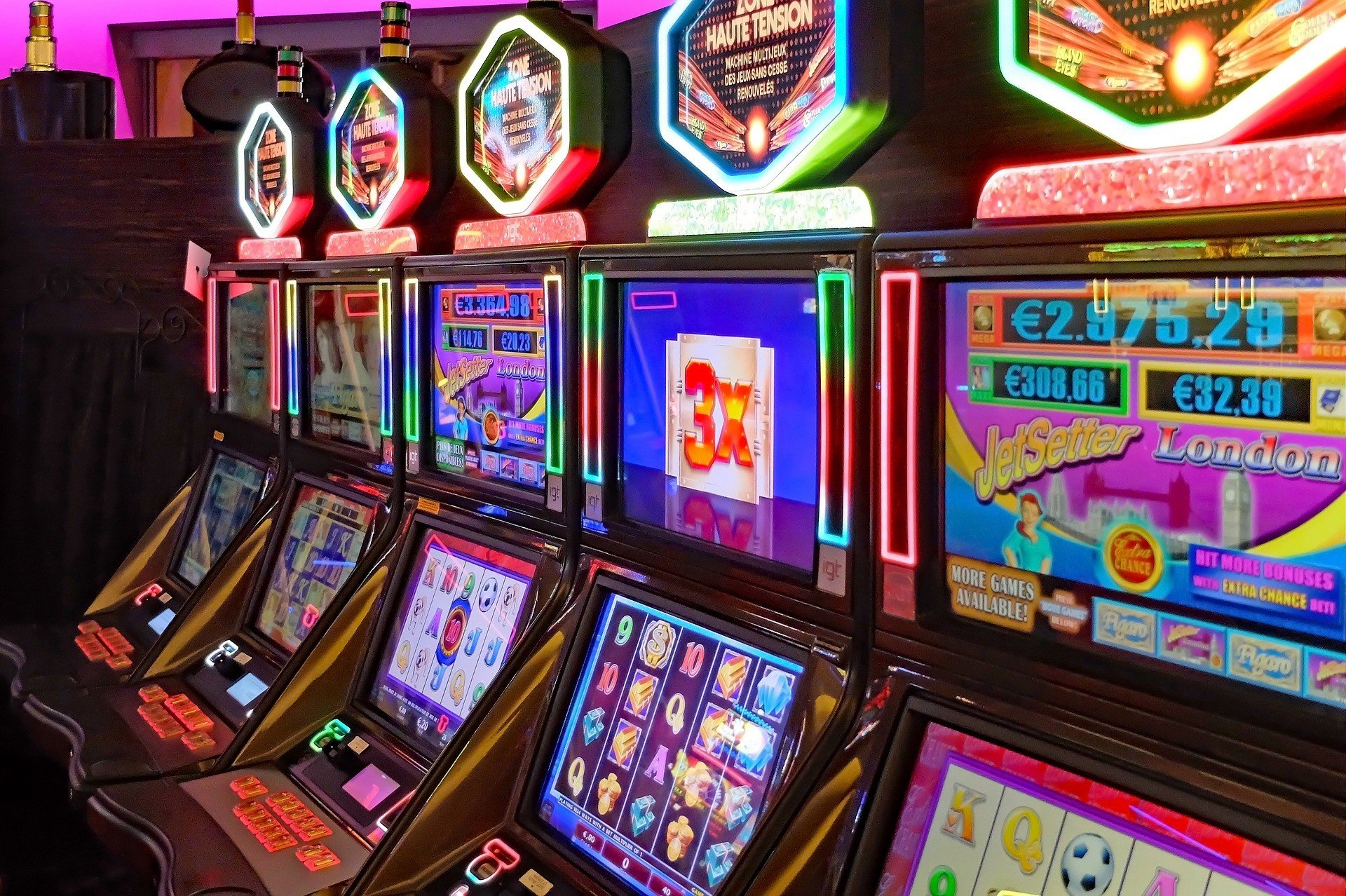
Smartphone search experience and the UK Commuter Audience
I performed a significant portion of this evaluation on a typical phone during train journeys between Manchester and London, replicating the typical UK commuter scenario. On a compact display, the search button at Claps Casino remains thumb-friendly, placed for natural access. I didn’t need to reach or adjust my grip to start a search, which sounds trivial until you’re crammed on a busy underground carriage. The on-screen keyboard doesn’t hide the search results, so I could see live updates as I typed. This mobile-first design kept my navigation seamless, whereas rival platforms made me dismiss the keys to check the complete list, introducing an irritating extra action. For the many UK users who fit in a quick game between stations, the ability to search that works with a single hand isn’t just good user experience; it’s the deciding factor between starting the game or browsing feeds instead.
How Bad Search Design Ruins Session Engagement
I purposely examined a opposing casino with a sluggish, counterintuitive search system to contrast the emotional arc of a session. The experience was jarring. Inputting a game name triggered a spinning loader for several seconds, then showed a list that featured unrelated titles. I had to skip over promotional banners injected into the results. Within ten minutes, I noticed my engagement flatline. I closed the tab not because I was finished playing, but because the platform had drained my patience. Claps Casino bypasses this death spiral by keeping the search results tidy, fast, and relevant. No adverts fill the dropdown, and the response time seems nearly instant on a decent 4G connection. For UK players who have become used to Google-level speed, any delay in search is seen as a signal that the site doesn’t respect their time, and they’ll depart without a second thought.
The Future of On-Site Search and AI Recommendations at Claps Casino
Thinking ahead, I view the search box transforming into a dialogue-based layer. I’d prefer to type “show me high-RTP slots under 20p that pay both ways” and get a curated list. While no UK casino offers that yet, Claps Casino’s existing search architecture appears built to accommodate such upgrades. The fact that it already manages partial terms, provider names, and thematic keywords suggests a tagging system strong enough to enable AI-driven queries. I’ve started using the search bar nearly like a command line, and it’s changed how I ponder about casino navigation totally. As the platform adds more titles, the search function will turn into the primary interface, not a secondary tool. For now, I’m struck by how much productivity I’ve achieved from something so simple, and I’ll continue measuring its effect as the library grows and player expectations rise higher.
I set out to test whether a search bar could genuinely shape how productively I gamble, and the information from my Claps Casino sessions offers little room for doubt. Every second spared in navigation is a second I can allocate in smarter bet selection, bankroll management, or simply savoring the game without frustration. For UK players who regard their leisure time as a finite resource, the search function isn’t a minor feature; it’s the most straight path from intention to outcome. My advice is straightforward: make the search box your homepage, and you’ll play with more purpose and less waste.